The SHEIN mobile experience is now a case study in how modern retail designs work well.
IMAGES INLINE
This article explains how SHEIN uses visual layout, personalized feeds, and gamification to drive engagement in U.S. shoppers.
Advertisements
We focus on shein app features and shein mobile features that create an addictive user experience without losing speed or scale.
Readers in product management, UX design, e-commerce marketing, and mobile strategy will find clear, evidence-based insights here.
Later sections use app store data, industry reports, UX research, and social commerce examples to explain what works and why.
Our focus is on the United States market.
We cover market context, interface patterns, gamified mechanics, performance engineering, and social proof.
Each section offers practical insights for designers and teams to improve retention or benchmark competitors.
Key Takeaways
- SHEIN mixes fast visual browsing and strong recommendation loops to keep users scrolling and discovering.
- Gamification features—points, missions, and flash sales—lead to habitual return without complex onboarding.
- Technical choices like image delivery and lightweight checkout reduce friction and boost conversion rates.
- Personalization engines and A/B tests refine the experience for U.S. users over time.
- Social proof, influencer content, and live commerce increase trust and purchase intent on the app.
SHEIN: Overview of the App and Its Popularity
SHEIN quickly rose from a niche marketplace to a common shopping app in the United States. The app offers low prices and constant new arrivals. Social media-driven discovery has made it a daily stop for trend-focused shoppers.
Mobile-first design and strong marketing on TikTok and Instagram boosted downloads. This helped increase shopping among Gen Z and younger millennials.
Market reach and user demographics in the United States
Engagement is strongest among female shoppers aged 16–30. Men and plus-size buyers are growing segments as SHEIN expands.
Urban and suburban areas with high mobile commerce show dense adoption. Short-form videos, haul posts, and influencer partnerships drive new users. This social buzz turns into app installs and repeat shopping.
Core value proposition: fast fashion at scale
SHEIN’s model relies on ultra-fast design-to-shelf cycles and a large product selection. This keeps the catalog fresh and encourages browsing. Vertical supply chain integration lets the company chase micro-trends quickly.
They keep prices low through supplier networks. Daily drops, flash discounts, and trend-led merchandising reward frequent visits and purchases.
Download, active users, and retention stats (what the numbers say)
SHEIN ranks among the top shopping apps in Apple App Store and Google Play in the U.S. Millions of downloads worldwide include a large U.S. user base.
Session frequency and time on app often beat those of fast-fashion rivals. Engagement varies by user group but shows strong conversion from browsing to buying.
Retention is supported by push campaigns, in-app promotions, and gamified incentives. These tools help keep users active despite competition from Zara, H&M, and Amazon Fashion.
Design and Interface Features That Drive Engagement
The SHEIN app mixes social-style browsing with focused commerce tools to keep users engaged. Thoughtful shein interface features work well with shein app features. They shorten the gap between discovery and purchase while making exploration feel easy.
Visual layout and product discovery flow
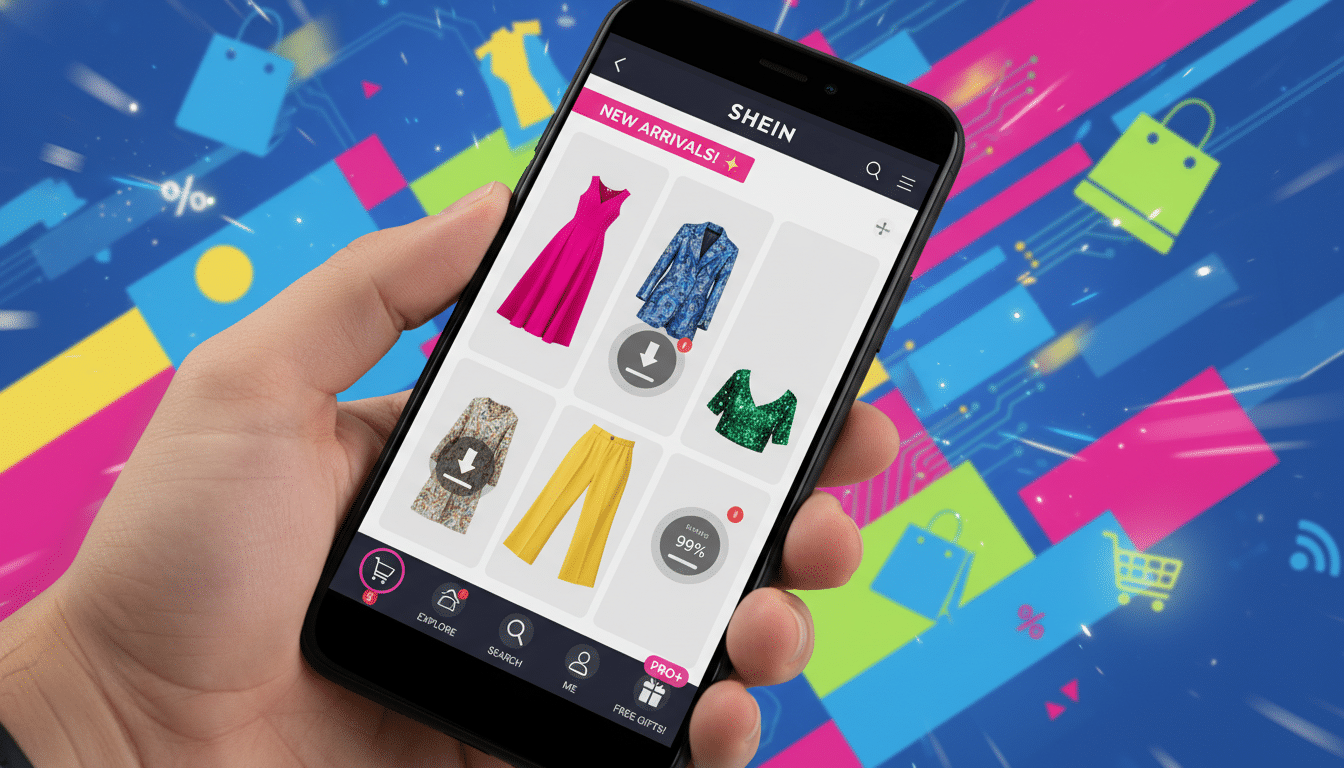
Grid-heavy product pages and infinite scroll encourage users to browse longer. Clear product cards show multiple thumbnails, prices, and promotional tags. These prompt quick choices and impulse clicks.
Category tabs, trend collections, and curated lists help reduce decision fatigue. Large images, lifestyle photos, and short videos mimic social feeds. They keep users exploring without interrupting shopping.
Small microinteractions like quick add-to-cart, heart/save, and swipe gestures reward fast decisions. These subtle shein app design tricks boost exploration. They increase the chance users move from view to cart.
Personalized home feed and recommendation algorithms
Personalized feeds named “For You” use collaborative filtering and behavioral data like searches, clicks, and time spent on items. This creates a home screen tailored to each shopper.
Real-time re-ranking changes results during sessions based on recent activity. Personalized push messages and in-app banners highlight recommendations. These draw users back into the app.
By reducing search friction and highlighting relevant items, these shein engagement design elements increase conversion rates and average order value.
Seamless checkout and payment options to reduce friction
One-tap add-to-cart and a short checkout process limit required fields and reduce abandonment. Support for cards, PayPal, and local wallets meets varied user needs. This boosts completion across customer groups.
Saved addresses, payment tokens, guest checkout, and clear shipping timelines set expectations and speed buying. Auto-applied coupons, cross-sell prompts, and clear return policies ease last-minute hesitation.
Together, these shein interface and app features reduce friction. They smooth the path from discovery to purchase in a fast-moving catalog environment.
Gamification and Behavioral Hooks in the SHEIN App
The SHEIN app mixes retail and play to make shopping a habit. It uses rewards, timed deals, and games to keep users coming back. Each design piece creates curiosity, urgency, and repeat visits without crowding the interface.
Rewards, points, and daily check-ins
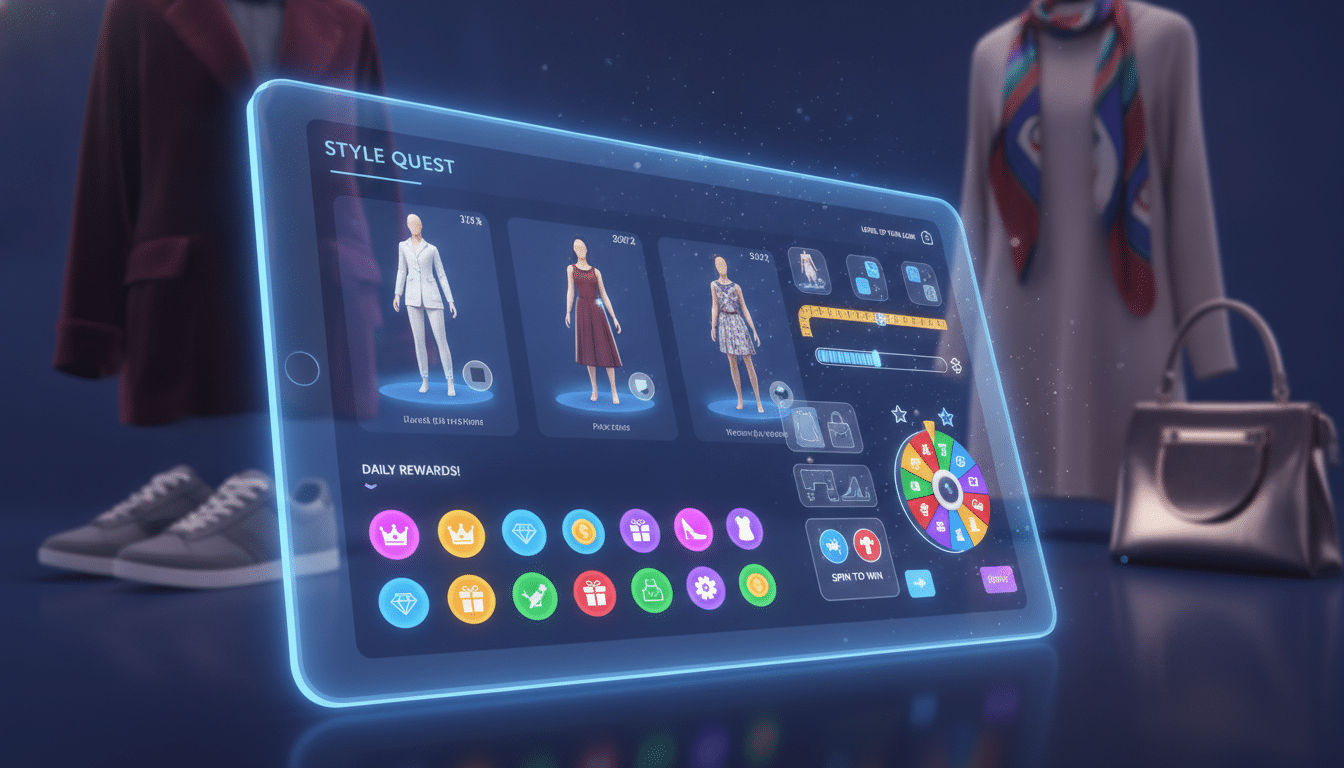
SHEIN’s gamification gives points, coins, and loyalty tiers to reward users. People earn credits for daily sign-ins, reviews, shares, and purchases. These credits can be exchanged for discounts to encourage buying more.
Badges and levels give users a sense of status that motivates them to stay active. When users seek new perks, they explore more and spend extra time in the app. This steady progress helps build strong shopping habits.
Limited-time sales and FOMO triggers
The app shows flash sales, countdowns, and scarcity tags to push quick buying decisions. Banners on the homepage and product pages display time limits and low stock alerts. This encourages users to act fast instead of waiting.
Exclusive coupons and “Today’s Deals” plus push reminders boost urgency further. They make users feel the value is temporary, increasing sales during short promotions. This method raises the number of sessions and conversions.
Interactive elements: spins, missions, and app-exclusive games
Games like spinning wheels, scratch cards, and missions set small goals that reward users. These use unpredictable prizes to make the experience exciting. Users return to win small rewards like shipping discounts or promo codes.
Missions lead users to follow stores, write reviews, and explore products. This drives deeper discovery and increases user value over time. Subtle prompts create an engaging and addictive user experience.
Ethics in gamified shopping is important. While these tricks improve retention, they can encourage unhealthy habits too. Designers and regulators must balance business goals with fair, clear user experiences.
Technical UX Strategies Behind User Retention and Addiction
SHEIN’s mobile product relies on a mix of technical choices and UX moves that keep users browsing. Engineers focus on fast perceived performance and targeted messaging to shape each session. This setup supports many of the app’s most effective shein tech ux patterns.
Performance optimization: fast loading and image delivery
Page speed matters for conversion. The app uses image CDNs, progressive loading, and modern formats like WebP to lower time-to-interact. Adaptive image sizes send smaller files to low-bandwidth phones while keeping photos crisp on newer devices.
Small UI touches improve perceived speed. Instant feedback when adding an item to cart and smooth transitions make the interface feel responsive. Lazy loading product lists also reduce friction and boost session length.
A/B testing, personalization engines, and data-driven tweaks
Continuous experimentation lets teams try layout, copy, and promo variants at scale. A/B results guide product decisions for listing density, thumbnail size, and promotional banners.
Machine learning drives recommendation ranking, discount targeting, and content selection. Behavioral cohorts and lifecycle segments enable tailored merchandising. These test-and-learn cycles are central to shein’s user retention strategy.
Data collection follows consent flows to meet U.S. privacy expectations. Transparency about tracking and opt-outs helps maintain user trust while improving personalization models.
Push notifications, in-app messaging, and lifecycle campaigns
Orchestrated triggers bring users back at key moments. Cart reminders, back-in-stock alerts, and price-drop notifications use product metadata and timing windows to increase opens.
Personalized copy that includes item names, sizes, or past interest performs better than generic blasts. Intelligent throttling limits message volume during low-engagement hours to prevent fatigue.
Combining push, SMS, email, and in-app notes crafts a cohesive lifecycle play. When balanced with respectful frequency, these channels become powerful shein app design tricks for reactivation and repeat purchases.
Technical investments in infrastructure and ML support a large SKU catalog and personalized experiences users expect. The challenge lies in balancing speed, relevance, and respectful messaging to grow retention without eroding trust.
Social Proof, Community Features, and Shopping Behavior Impact
SHEIN turns social signals into shopping momentum by weaving user content and community tools into the app experience.
These elements shape shein shopping behavior by reducing uncertainty, creating urgency, and nudging repeat visits.
User reviews and photos give buyers concrete context for fit, fabric, and style.
Review galleries with size notes and verified purchase badges lower friction at checkout.
Rating filters and “most helpful” sorting make it easier to find honest feedback, which increases trust and conversion.
Influencer integrations and live streams drive trend waves from TikTok and Instagram straight into the app.
Creators use promo codes and affiliate links to measure impact, while in-app broadcasts let viewers buy during a show.
Those mechanics are central to shein social commerce and turn entertainment into direct sales.
Community-driven features keep shoppers active beyond a single purchase.
Shared haul posts, style boards, and user-curated lists encourage social sharing and expand reach organically.
Comment threads and saved wishlists create feedback loops that normalize frequent buying and shape future shein shopping behavior.
Three core interface elements amplify these effects:
- Visual review galleries that display photos and fit notes.
- Embedded live commerce windows with instant add-to-cart options.
- Social sharing prompts and community boards that surface trending items.
These tactics rely on polished shein app features and intuitive shein interface features.
The result is a platform that uses peer proof and creator influence to convert attention into measurable growth while keeping users engaged between purchases.
Conclusion
The SHEIN app combines a large, fast-changing catalog with social discovery and clear gamification. Its shein mobile features include personalized feeds, timed deals, and in-app games. These reduce search friction and keep users coming back.
These elements explain the app’s high user retention and the trend of addictive user experience in value-driven retail.
For product teams, the lesson is clear: scale and low prices alone don’t ensure loyalty. Turning downloads into repeat buyers needs investment in discovery, speed, and data-driven personalization. Practical steps include improving recommendation flows and protecting site speed under heavy use.
Teams should also measure how rewards affect long-term revenue instead of just short spikes. Design and ethics must work together. Gamified incentives and persuasive patterns are effective, but teams must balance engagement with transparency.
This means being honest about data use and marketing. When combined with real influencer and user content, these methods increase conversion while keeping trust. The shein mobile features offer a useful case study for modern commerce.
Content created with the help of artificial intelligence.